2709 S 27th St, Fort Pierce, FL, 34981
Bonded & Insured
Fort Pierce, FL

Roofing Contractor in Fort Pierce, FL Built for Hurricanes, Salt & Sun

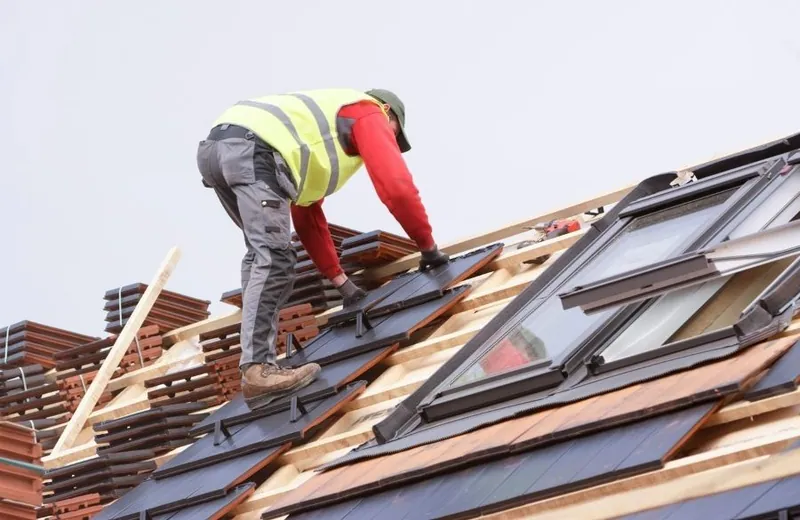
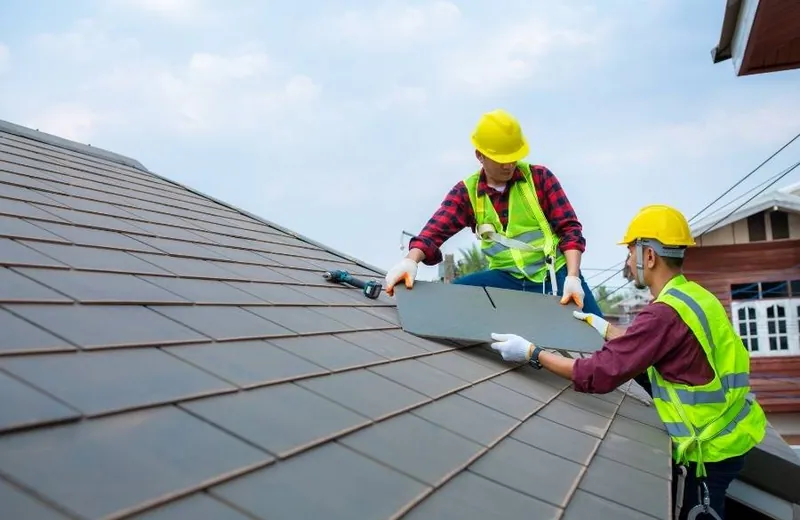
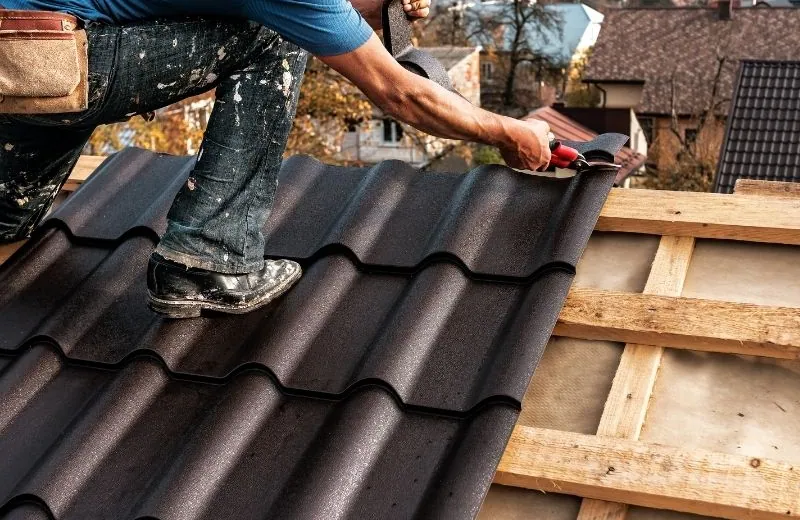
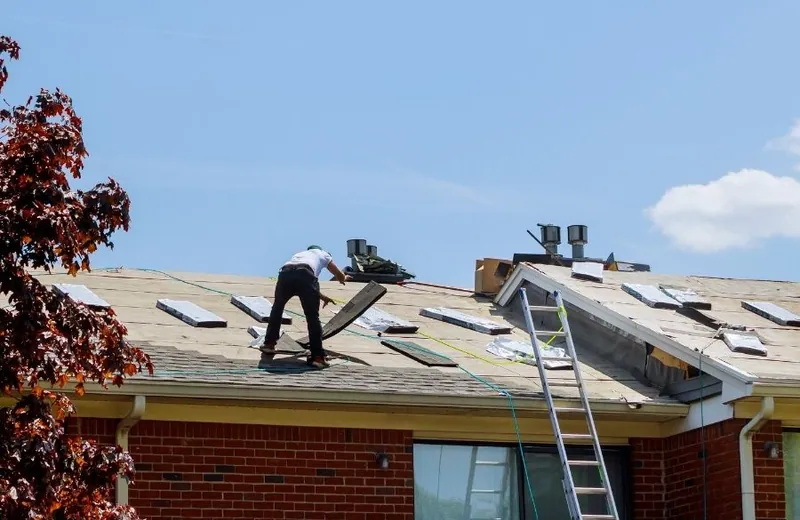
A Fort Pierce roof takes a beating. It bakes under year-round UV, gets soaked by more than 50 inches of rain a year, and sits in the path of every Atlantic storm from June through November. Then there's the salt air, which slowly eats away at flashing and fasteners. Shingles curl, tile underlayment gives out without anyone noticing, and the leak shows up halfway through a July thunderstorm. Treasure Roofing Solutions repairs, replaces, and installs roofs that are built for Treasure Coast weather, using coastal-grade materials and code-compliant methods that hold up to wind and water.

We work on everything from the 1950s block ranch homes in Fort Pierce South to the tile roofs on 1990s houses in Saint Lucie West and the salt-exposed homes and condos on Hutchinson Island South. We know which permitting office covers your address, which HOAs control roof color and material, and what your insurance company wants to see on a roof certification. Whether you need a pipe boot replaced or a full standing-seam metal reroof, we'll tell you plainly whether repair or replacement makes more sense.

  • Bonded and fully insured
  • Financing available for repairs and replacements
  • Serving a 20-mile radius around Fort Pierce
  • Emergency roof repair and storm tarping
Free Estimate

Request Your Free Estimate

No obligation. Fast, honest quotes.

Prefer to talk? Call (772) 758-1134 — your details are never shared.

Credentials & Certifications BondedInsuredFinancing Available
What We Do

Roofing Services for Treasure Coast Homes and Businesses

We handle every major roofing system used on the Treasure Coast, from 3-tab shingle repairs to standing-seam metal and commercial TPO. Every recommendation starts from your roof's real condition, your insurance situation, and the local wind code, not from whatever system earns the biggest invoice.

Roof Repair, Leak Detection & Roof Patching

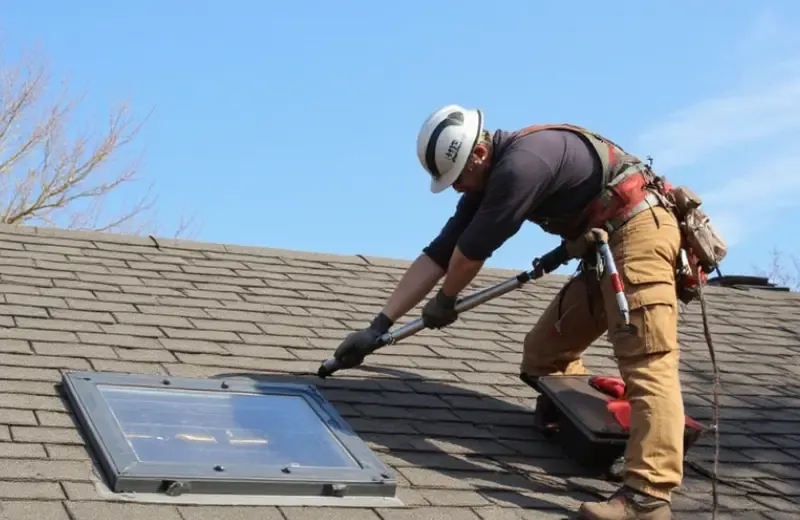
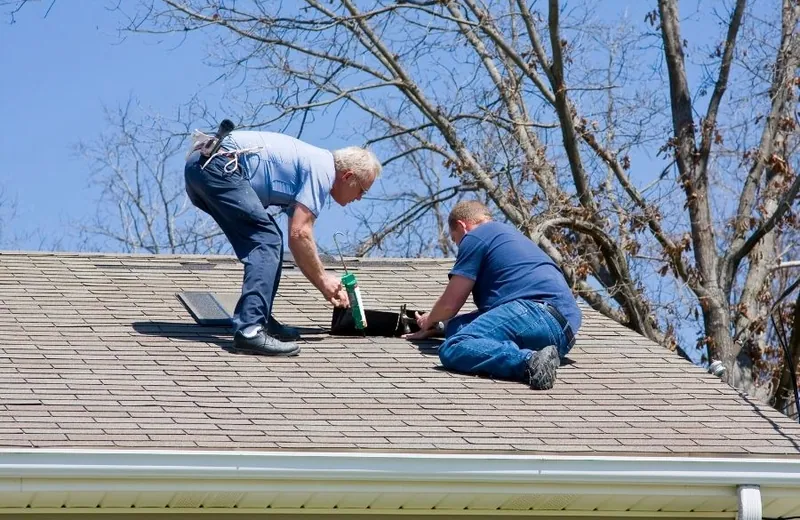
We track down leaks to their real source and fix them for good. That covers roof shingle repair, pipe boots, roof damage repair, skylight leak repair, and targeted roof patching on shingle, tile, metal, and flat roofs.

We start with an attic inspection, a moisture check, and water testing where needed. Repairs use matched materials, coastal-grade fasteners, and properly lapped underlayment instead of tar smeared over the problem.

Many Fort Pierce leaks come from cracked pipe boots, corroded wall flashing, or failed tie-ins at Florida-room additions. Under the 2022 rule change, many roofs built to the 2007 code or later can be repaired instead of fully replaced, which saves real money.

Best for: Homeowners with isolated leaks, storm damage under the 25% threshold, or roofs that still have useful life and just need a few problem spots fixed.

Explore
★ Specialty

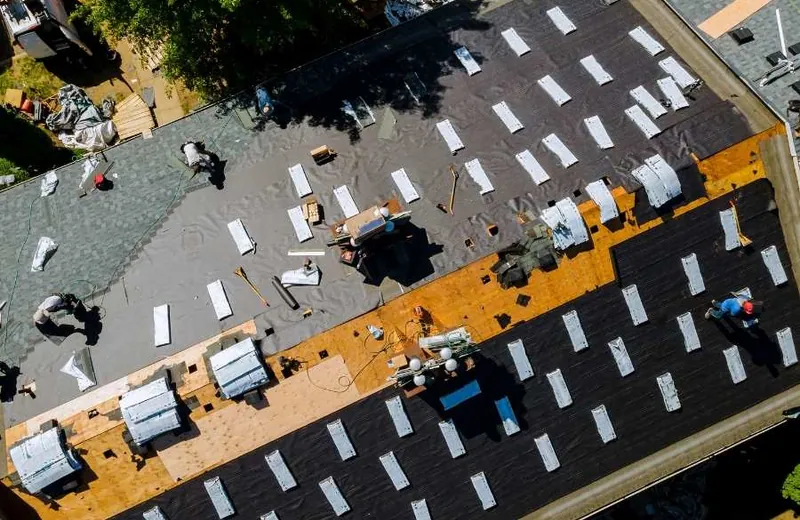
Roof Replacement & New Roof Installation

We handle full tear-offs and new roof installations for residential and commercial properties, including permits, inspections, and the hurricane mitigation upgrades required by the Florida Building Code.

We fully remove the old roof down to the deck, re-nail or replace sheathing to current schedules, install a peel-and-stick secondary water barrier, and use Florida Product Approved materials rated for 150–170 mph design winds.

This fits Saint Lucie West and Torino roofs at the 20–30-year mark, Fort Pierce homes facing insurance non-renewal, and pre-2002 houses that need upgraded roof-to-wall connections. Done right, the new roof can earn wind-mitigation credits.

Best for: Roofs over 15–20 years old, homes with insurance deadlines, and properties with widespread underlayment failure or storm damage over 25%.

Explore
★ Specialty

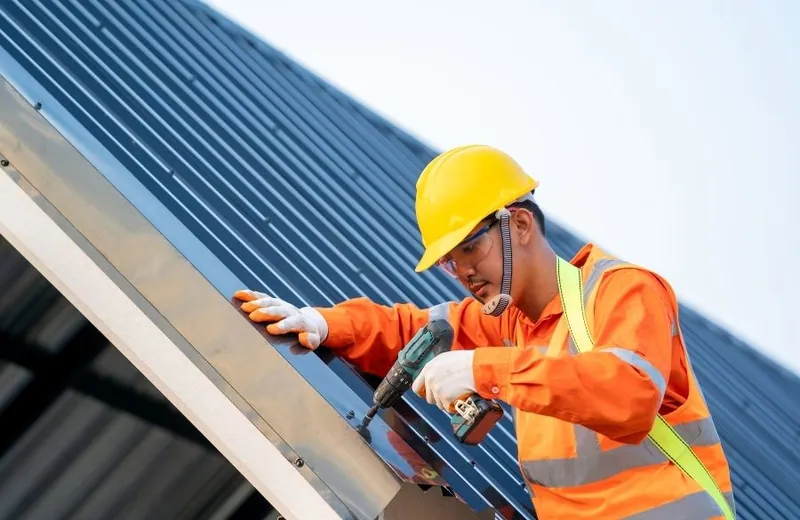
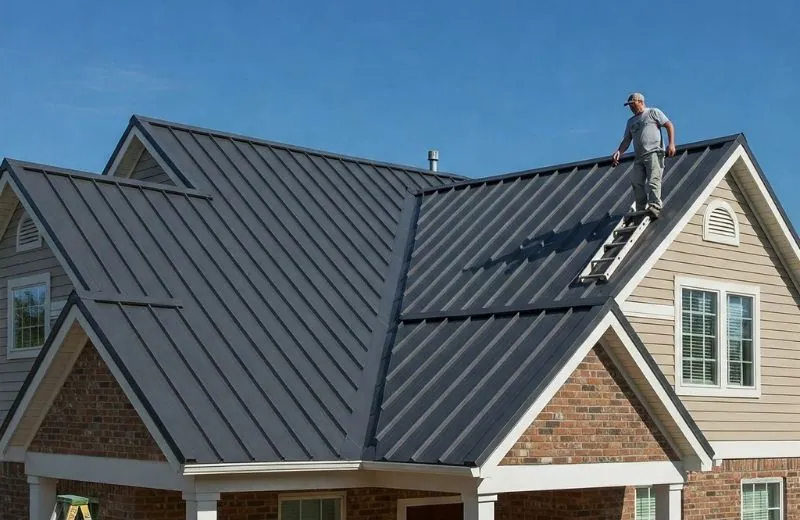
Metal Roofing: Standing Seam, Steel, Corrugated & Metal Roof Repair

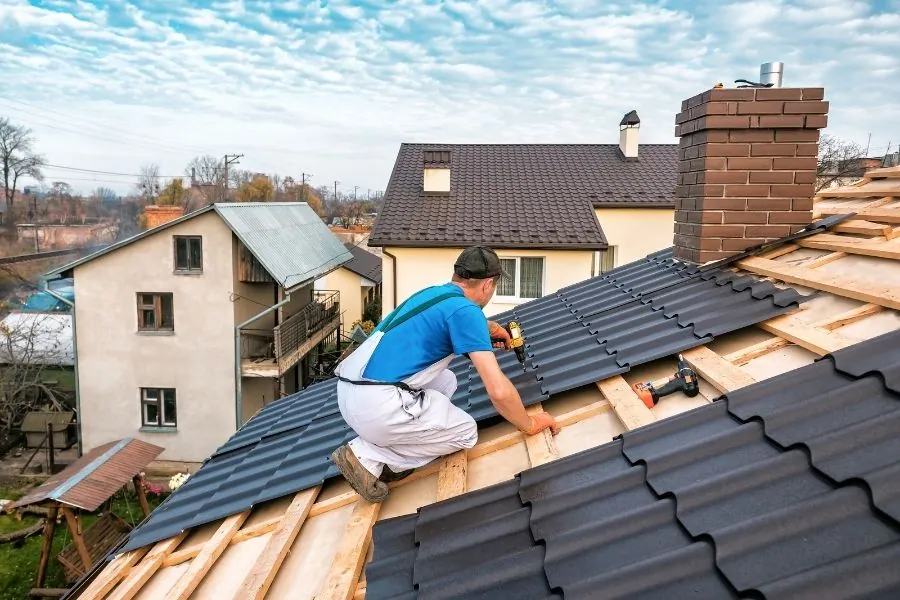
We install residential metal roofing, standing seam metal roofs, steel roofing, and corrugated metal, and we repair existing metal roofs that have rusted screws, open seams, or wind damage.

For coastal jobs we use concealed-fastener standing seam panels, aluminum or coated Galvalume panels, stainless clips, and matching metal roof flashing. Corrugated metal works well for roof-overs, outbuildings, and budget-conscious projects.

Metal handles Hutchinson Island and South Beach wind and salt better than nearly any other material. It's also a popular roof-over for manufactured homes near Indian River Estates and Lakewood Park, and it reflects heat to cut cooling bills.

Best for: Coastal and riverfront homes, owners planning to stay long-term, manufactured homes, and anyone who wants the strongest wind resistance available.

Explore

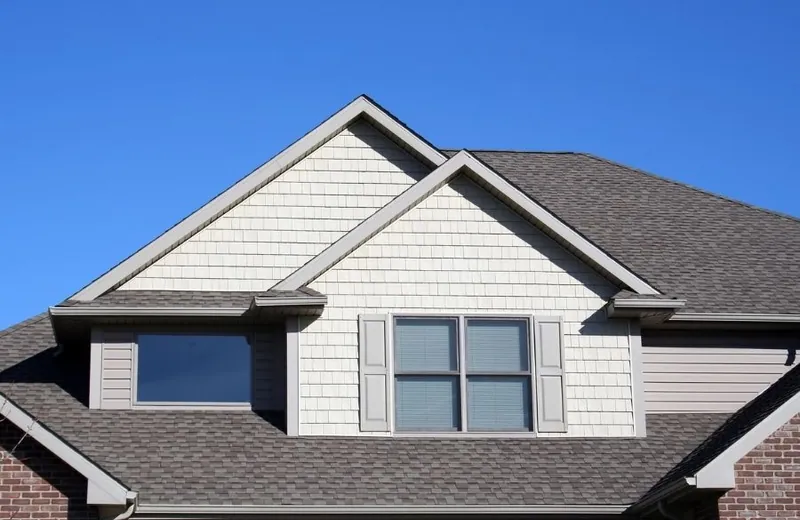
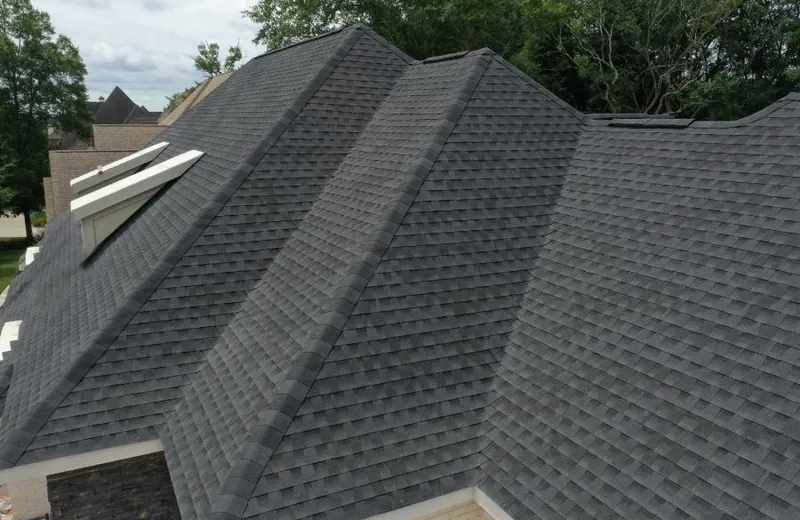
Asphalt Shingle Installation: Architectural & 3-Tab

We install architectural shingles and 3-tab shingle roofing systems rated for high wind, with algae-resistant options, matching hip and ridge caps, and properly installed starter strips.

We use a six-nail high-wind pattern, sealed starter courses at the eaves and rakes, synthetic underlayment over a secondary water barrier, and ridge or off-ridge ventilation sized to the attic.

Shingles are still the most cost-effective choice for many Fort Pierce and Port St. Lucie block homes. Architectural shingles carry higher wind ratings than 3-tab and resist the curling that Treasure Coast heat causes.

Best for: Budget-conscious homeowners, insurance-driven replacements, and HOA neighborhoods that allow dimensional shingles.

Explore

Tile Roofing, Slate & Cedar Shake

We install new concrete and clay tile roofs and handle tile underlayment replacement with tile reinstallation. We also install slate and cedar shake for specialty and historic-style homes.

Tile attachment uses foam adhesive or mechanical fastening to Florida Product Approval specs over a self-adhered underlayment. Slate and cedar shake get corrosion-resistant fasteners and ventilation details suited to high humidity.

Torino, Saint Lucie West, and Tradition HOAs often require tile, so reusing sound tile over new underlayment saves money. Slate and cedar suit select Downtown Fort Pierce restorations where design review matters.

Best for: HOA-governed communities, Mediterranean-style homes, and owners who want a long-life, upscale look.

Explore

Flat Roofing: TPO, EPDM, Flat Roof Repair & Replacement

We handle flat roof repair, flat roof replacement, TPO roofing, and EPDM rubber roofing for home additions, carports, condos, and commercial buildings.

We correct slope with tapered insulation and crickets, heat-weld TPO seams, fully adhere EPDM, and flash parapets and drains properly so water leaves the roof within 48 hours.

These systems fit Florida-room and carport roofs in Lincoln Park and Sunland Gardens, and mid-rise condos on Hutchinson Island. White TPO reflects Fort Pierce's intense summer heat to keep the building below cooler.

Best for: Low-slope sections with ponding, condo associations, and older built-up roofs at the end of their life.

Explore

Commercial Roofing

We install, repair, and maintain roofs for retail, office, warehouse, church, and multifamily properties throughout St. Lucie County.

Membrane, metal, and coating systems are scoped to the building's use. We work in phases around occupants and keep the building dried in each night during hurricane season.

Commercial buildings along US-1, Okeechobee Road, and the Fort Pierce industrial corridors often have aging built-up roofs with ponding and corroded edge metal from salt air.

Best for: Property managers, condo boards, and business owners who need minimal disruption and documentation that satisfies their insurer.

Explore

Emergency Roof Repair & Emergency Roof Tarping

After storms, falling limbs, or sudden leaks, we provide emergency roof repair and tarping to stop water from getting in, plus temporary dry-in until permanent repairs are done.

Tarps are secured with battens and fasteners rather than just sandbags, and are sized to cover the damage with overlap. We photograph everything for your insurance claim.

After named storms or squall lines, Fort Pierce homes need fast dry-in before the next afternoon storm hits. We're local, so we're already here, not driving in from out of state.

Best for: Active leaks, storm-damaged roofs, and fallen-tree damage that needs immediate protection.

Explore

Roof Inspection & Roof Maintenance

We inspect roofs for buyers, sellers, insurance renewals, and seasonal homeowners, and we offer ongoing roof maintenance to catch problems early.

Our inspections include a walk-on roof check, an attic assessment, flashing and penetration review, and photo documentation. Maintenance covers debris removal, resealing, fastener checks, and gutter and drain clearing.

These are useful for owners of roofs 15 years or older who need insurer documentation, for snowbirds who want a pre- or post-hurricane-season check while they're away, and for buyers in Port St. Lucie's busy resale market.

Best for: Insurance renewals, real estate transactions, seasonal residents, and anyone who wants to stretch the life of their current roof.

Explore

Roof Restoration, Waterproofing & Roof Coating Application

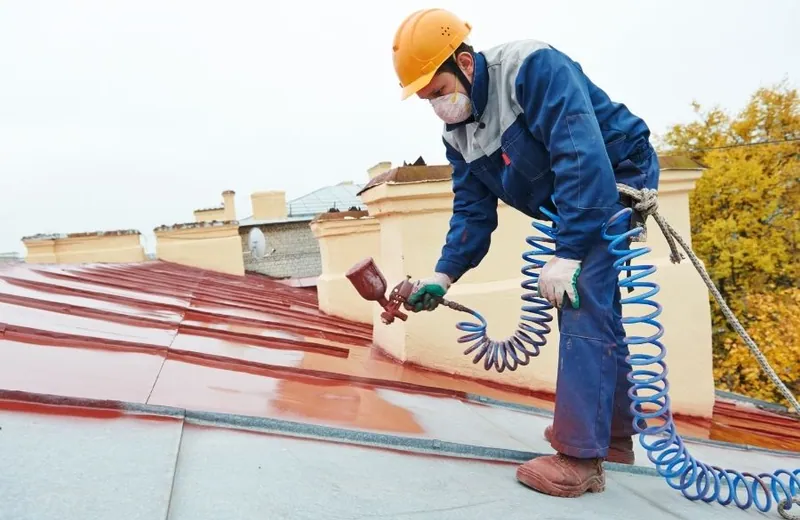
We restore and waterproof sound roofs that are aging by applying elastomeric or silicone roof coatings that seal, reflect heat, and add years of service.

The process includes a pressure wash or soft wash, seam and fastener repair, primer where required, and a coating applied at the manufacturer's specified thickness, which matters for warranty eligibility.

Coatings work well on manufactured homes in Lakewood Park and Indian River Estates, on metal roofs with rusted screws, and on condo flat roofs where a full replacement isn't in this year's budget.

Best for: Roofs with a sound deck that need more years of life, lower cooling costs, or a budget-friendly alternative to replacement.

Explore

Flashing Services: Chimney, Drip Edge, Metal & Steel Roof Flashing

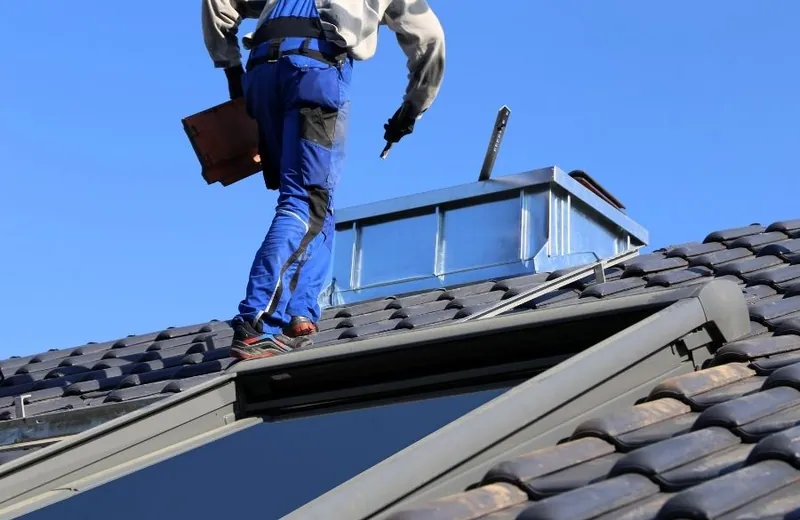
We install and replace roof flashing, chimney flashing, roof drip edge flashing, flashing for metal roofs, and steel roof flashing, which are the details that cause most leaks.

We use step and counter flashing let into masonry, aluminum or coated steel drip edge, and profile-matched closures and trim on metal roofs. Every piece uses fasteners that resist corrosion.

Salt air corrodes standard galvanized flashing fast in River Park, South Beach, and Hutchinson Island. Replacing it with coastal-grade metal stops recurring leaks at walls and chimneys.

Best for: Leaks at walls, chimneys, and roof edges, and any coastal home with rusted or failing metal trim.

Explore

Soffit, Fascia & Roof Ventilation Installation

We replace rotted fascia and damaged soffit and install balanced roof ventilation, including ridge vents, off-ridge vents, and intake soffits.

Rotted wood is replaced and wrapped in aluminum or installed with fiber cement. Vented soffit panels are rated for high wind, and intake and exhaust are balanced to code.

Fort Pierce attics can top 140°F, which cooks shingles from below. Proper ventilation lowers attic heat and humidity, and wind-rated soffits keep wind-driven rain out during storms.

Best for: Homes with hot attics, rotted fascia, or soffit panels that blew out in a past storm.

Explore

Copper Roofing

We install copper roofing, accents, bay roofs, and copper flashing details for high-end homes and historic properties.

Copper is installed with standing seam or flat-lock soldered seams, using compatible fasteners and isolation from other metals to prevent galvanic corrosion.

Copper holds up very well in salt air and develops a natural patina. It's a good fit for waterfront homes along Indian River Drive and for character pieces in Downtown Fort Pierce.

Best for: Luxury and historic homes, accent roofs, and owners who want a near-permanent, low-maintenance metal.

Explore
Know The Signs

Common Roofing Problems We Fix in Fort Pierce and Port St. Lucie

Most roof failures on the Treasure Coast follow predictable patterns. Once you know what causes them and what the early signs look like, you can catch a $400 repair before it turns into a $20,000 replacement. These are the problems we run into most often across St. Lucie County.

Hurricane and Wind-Uplift Damage Emergency

High winds can lift shingles, break their seal strips, pop tiles loose, and peel back metal or membrane edges. Once the roof deck is exposed, wind-driven rain gets straight into the attic, insulation, and ceilings. Damage often keeps spreading with every storm that follows.

Why it's common here

Treasure Coast design wind speeds reach 150–170 mph for good reason. Frances, Jeanne, Wilma, Nicole, and the tornadoes from Milton's outer bands all damaged roofs in this area. Older homes built before the 2002 code, especially the 1950s–70s block homes around Fort Pierce North and South, often have weak deck nailing and toe-nailed trusses. Wind can get under the edges of those roofs much more easily. Afternoon squall lines in summer cause smaller uplift damage that adds up over time.

Signs you'll notice
  • Missing, creased, or flipped shingles
  • Shingles, tiles, or granules scattered in the yard
  • Loose or bent drip edge and ridge cap
  • New ceiling stains after a storm
  • Daylight visible through attic decking
  • Cracked or displaced tiles along hips and edges
Local patterns

We see the worst uplift on exposed oceanfront homes on Hutchinson Island South and South Beach, on open lots in White City and Lakewood Park, and on older Fort Pierce South homes with original 3-tab shingles. After Milton, the tornado paths near Spanish Lakes left very concentrated damage.

Our fix: Emergency tarping or dry-in comes first. Then we document the damage for your insurance claim and either repair the roof or replace it to current wind code with upgraded nailing and a secondary water barrier.

Failed Tile Underlayment Serious

On a concrete or clay tile roof, the tile mostly sheds sun and debris. The felt or synthetic underlayment beneath it is what actually keeps the water out. When that layer gets brittle, cracks, or tears at the laps, water gets through even though the tile still looks fine from the street.

Why it's common here

Saint Lucie West, Torino, and much of Port St. Lucie were built with concrete tile in the 1990s and 2000s. Those underlayments are now 20–30 years old. Attic temperatures here stay extreme for months each year, which dries out older felt quickly. Heavy wet-season rains then push water through the cracks. Because the tile hides everything, most owners don't find out until a summer storm brings water through the ceiling, often in more than one room.

Signs you'll notice
  • Leaks during heavy rain with no visible tile damage
  • Stained or soft decking seen from the attic
  • Slipped or cracked tiles at valleys
  • Brittle black felt visible under lifted tiles
  • Mold or musty odor in the attic
  • Roof age over 18–20 years
Local patterns

This is very common in Saint Lucie West, Torino, and the older parts of Port St. Lucie, and in tile-roofed homes in River Park. HOAs in these neighborhoods usually require tile to be reinstalled, so we can often reuse sound tile over new underlayment.

Our fix: We remove the tile, replace the deck where needed, install a peel-and-stick secondary water barrier and new underlayment, and reset or replace the tile with code-compliant attachment.

Salt-Air Flashing and Fastener Corrosion Serious

Salt spray from the Atlantic and the Indian River Lagoon speeds up rust on galvanized flashing, drip edge, nails, screws, and metal roof panels. Corroded flashing pulls away from walls, chimneys, and roof penetrations, which leaves gaps where water can run in behind the roof covering.

Why it's common here

Homes within a mile or two of the beach or lagoon get steady salt deposits that humidity keeps wet, so corrosion never really stops. Builders often used standard galvanized components that last half as long on the coast. Wind-driven rain then forces water through any pinhole or lifted seam. Exposed screws on metal roofs rust at the washer and start leaking well before the panels themselves wear out.

Signs you'll notice
  • Orange rust streaks below flashing or fasteners
  • Flaking or pitted drip edge
  • Gaps where wall flashing meets stucco
  • Rusted screw heads on metal panels
  • Leaks around chimneys and vent pipes
  • Corroded HVAC stands on the roof
Local patterns

This is worst on Hutchinson Island South, South Beach, River Park, and along Indian River Drive. Manufactured homes near Indian River Estates with aging metal roofs also show rapid screw and seam corrosion.

Our fix: We replace corroded flashing, drip edge, and fasteners with stainless, aluminum, or coated coastal-grade components, then reseal transitions so they hold up to wind-driven rain.

Flat and Low-Slope Roof Ponding Moderate

Ponding is water that sits on a flat or low-slope roof for more than 48 hours after rain. That standing water breaks down membranes and seams, adds weight to the structure, grows algae, and eventually finds its way through any weak lap or penetration.

Why it's common here

Fort Pierce is flat and low-lying, and many homes have flat sections that were added later over carports, Florida rooms, and lanais. These were often built with minimal slope and tied into the main roof poorly. Daily summer storms can drop an inch or more of rain in under an hour. Hutchinson Island condos and commercial buildings along US-1 have large membrane roofs where clogged drains and sagging insulation create ponds.

Signs you'll notice
  • Standing water a day or two after rain
  • Dirt rings or algae patches on the membrane
  • Blistered or alligatored surface
  • Open seams at tie-ins to the main roof
  • Interior stains below additions or carports
  • Sagging ceiling over porches
Local patterns

Common on Florida rooms and carports in Sunland Gardens, Lincoln Park, and Fort Pierce North, on mid-rise condo roofs on Hutchinson Island, and on strip commercial buildings throughout Fort Pierce.

Our fix: We fix drainage with tapered insulation or crickets, rebuild failed tie-ins, and repair or replace the membrane with TPO, modified bitumen, or a reflective coating system.

Curling, Granule-Stripped Shingles Moderate

Asphalt shingles lose their protective granules as UV and heat break them down. Once the asphalt underneath is exposed, the shingles harden, curl, crack, and stop sealing to each other, which makes them easy for wind to lift.

Why it's common here

Roof surfaces in Fort Pierce reach 150°F or more in summer, and UV stays strong even in winter. A 3-tab shingle rated for 20–25 years nationally often fails here after 12–15. Many post-war Fort Pierce homes still have 3-tab, and plenty of 2000s Port St. Lucie roofs are now at the point where insurers are asking for a roof certification or a replacement.

Signs you'll notice
  • Shingle edges cupping or clawing
  • Heavy granules in gutters or at downspouts
  • Bald, shiny patches on the roof
  • Cracked or brittle tabs
  • Insurance non-renewal notice citing roof age
  • Shingles lifting in moderate wind
Local patterns

We see this all over Port St. Lucie's grid neighborhoods, in Fort Pierce South, and in Lakewood Park. South- and west-facing slopes usually fail years before the north side does.

Our fix: Spot repair works when damage is isolated. For worn-out roofs, we replace with wind-rated architectural shingles or metal, adding upgrades that can qualify for wind-mitigation credits.

Algae Streaking and Moss Growth Minor

The black streaks you see on Florida roofs come from Gloeocapsa magma, an algae that feeds on the limestone filler in shingles. Moss and mildew grow in shaded, damp spots. On their own they're mostly cosmetic, but they hold moisture against the roof and make it absorb more heat.

Why it's common here

Constant warmth and humidity give algae ideal growing conditions all year. North-facing slopes and roofs under oak canopy stay damp after every rain. In HOA communities like Torino and Saint Lucie West, streaked roofs regularly lead to violation letters. Pressure washing the wrong way strips granules and voids shingle warranties, a mistake we see often.

Signs you'll notice
  • Black or dark-green streaks running down slopes
  • Green moss on tile or shingle edges
  • Discolored north-facing slopes
  • HOA violation notice
  • Slick, slimy roof surface
Local patterns

This shows up most in tree-lined older neighborhoods like Sunland Gardens and Downtown Fort Pierce, and in HOA-governed Saint Lucie West, Torino, and Tradition, where appearance standards are enforced.

Our fix: We use soft-wash treatment safe for shingles and tile, install zinc or copper strips where they fit, and use algae-resistant shingles on new roofs.

Pipe Boot and Penetration Leaks Minor

Rubber pipe boots, skylight curbs, and vent flashings seal every spot where something passes through the roof. The rubber cracks under UV, and the sealant around skylights and vents shrinks. That leaves small openings that let in a surprising amount of water.

Why it's common here

Standard neoprene pipe boots often crack within 8–12 years in South Florida sun, long before the rest of the roof wears out. Skylights in 1980s–90s Port St. Lucie homes were often installed with sealant-only details. Wind-driven rain from summer storms hits these weak spots from the side, which is why leaks show up at odd angles.

Signs you'll notice
  • Small ceiling stain near a bathroom or kitchen
  • Cracked rubber around plumbing vents
  • Dripping at skylight corners
  • Water stains on attic framing near vents
  • Leaks only during wind-driven rain
Local patterns

This is very common across Port St. Lucie, River Park, and White City homes built in the 1980s–2000s. It's usually an affordable fix, but it's often misdiagnosed as full roof failure by contractors pushing a replacement.

Our fix: We replace boots with UV-stable or lead/silicone units, re-flash skylights correctly, and water-test to confirm the leak is fixed.

Skylight contractor

Trusted Skylight Contractor in Fort Pierce, FL

A skylight brings Treasure Coast sunshine into your home. It's also one more opening in the roof that has to get through wet-season downpours and wind-driven rain. Around Fort Pierce, we often see leaks at skylights where the flashing has worked loose, sealant has cracked under constant UV, or the curb was never tied into the underlayment the right way. In older CBS ranch homes and Florida rooms, a hazy, fogged, or dripping skylight usually means the seal or the frame has failed. Treasure Roofing Solutions repairs, reflashes, and replaces skylights as part of the whole roof system, so the area around the unit sheds water as well as the rest of the roof. On homes near the Indian River Lagoon or on Hutchinson Island, we choose flashing and fasteners that hold up to salt air. We also time skylight work with reroofs so the new unit and the new roof tie in cleanly. That cuts down on patchwork and leaves fewer weak spots before hurricane season.

  • Skylight leak diagnosis and repair, including resealing and full reflashing around curbs
  • Skylight replacement timed with shingle, tile, or metal reroofs so the tie-in is seamless
  • Corrosion-resistant flashing and fasteners for salt-air homes near the ocean and lagoon
  • Fixes for fogged, cracked, or UV-worn skylight units in older Fort Pierce homes
  • Integration with underlayment and secondary water barriers to stop wind-driven rain
Waterproofing service

Dependable Roof Waterproofing Service in Fort Pierce, FL

Fort Pierce gets about 50–55 inches of rain a year, and most of it falls in near-daily summer thunderstorms. Water finds every weak spot. Flat roofs over carports, lanais, and Florida rooms often hold standing water on our flat, low-lying ground. Built-up and modified-bitumen sections crack as roof surfaces bake past 150°F. Treasure Roofing Solutions offers waterproofing that targets these problems. We seal low-slope tie-ins, replace failed pipe boots, rework valleys and flashing, and apply roof coatings to extend the life of flat and metal roofs. For manufactured homes in communities like Spanish Lakes and Lakewood Park, coatings and roof-overs can add years of protection. For coastal homes, we focus on details that stand up to wind-driven rain and salt air. The goal is simple: keep water out of your decking, your ceilings, and your walls through every wet season and storm.

  • Flat and low-slope roof waterproofing for carports, lanais, Florida rooms, and additions
  • Reflective and elastomeric roof coatings for flat, metal, and manufactured-home roofs
  • Solutions for ponding water and drainage at low-slope tie-ins
  • Pipe boot, valley, and flashing resealing to stop leaks at common failure points
  • Secondary water barrier installation during reroofs for added wind-driven rain protection
Transparent Pricing

How Much Does a Roof Cost in Fort Pierce, FL?

Roofing prices on the Treasure Coast depend on material, roof size, deck condition, and code upgrades. These ranges reflect typical current local pricing for St. Lucie County. Your written estimate will be based on your specific roof.

Typical Project

Leak repair: pipe boot or flashing

Single penetration or short section of wall flashing on a shingle or tile roof, any St. Lucie County home

$350 – $1,500
Typical Project

Architectural shingle replacement

About 2,000 sq ft single-story CBS hip roof in Port St. Lucie or Fort Pierce, with secondary water barrier

$12,000 – $22,000
Typical Project

Tile underlayment replacement / tile reroof

About 2,200 sq ft concrete tile roof in Saint Lucie West or Torino, reusing sound tile where possible

$24,000 – $45,000
Typical Project

Standing seam metal reroof (coastal)

About 2,000 sq ft home on Hutchinson Island South or South Beach with coastal-grade panels and fasteners

$30,000 – $55,000
Roofing Material Primary Factor

Material choice drives cost more than anything else. Architectural shingles are the most affordable full-replacement option, typically $5–$8 per square foot installed in this market. Concrete tile usually runs $10–$16, and standing-seam metal $12–$20 or more, with aluminum costing more near salt water. TPO and coatings for flat roofs fall in between. Pricier materials often last much longer in Fort Pierce sun, which changes the long-term math.

Roof Size, Pitch & Complexity Primary Factor

Roofs are priced by the square (100 sq ft). A typical Port St. Lucie single-story hip roof runs 20–28 squares. Steeper pitches, multiple hips and valleys, skylights, chimneys, and tie-ins to flat additions add labor and material waste. A simple gable on a Fort Pierce bungalow costs much less per square than a cut-up Mediterranean tile roof in Torino.

Deck Condition & Code Upgrades Secondary Factor

We don't know the full condition of the deck until the old roof comes off. Rotted plywood, plank decking on older Fort Pierce homes, or missing hurricane straps add cost, usually priced per sheet or per connection. Florida's reroof rules can also require a secondary water barrier and enhanced roof-to-wall connections. These upgrades often pay off through wind mitigation insurance discounts.

Coastal & Wind Exposure Secondary Factor

Homes on Hutchinson Island and near the river face Exposure D wind requirements and salt air. That can mean tighter fastening schedules, stainless or coated fasteners, and aluminum flashing or panels. These upgrades add a few percent to the job but prevent the early corrosion failures that would cost far more later.

Permits, HOA & Timing Minor Factor

Permit fees vary between Fort Pierce, Port St. Lucie, and St. Lucie County. HOA approvals can add paperwork but rarely add much cost. Timing matters more: after a named storm, material prices and lead times can spike. Scheduling non-emergency work before hurricane season often gets you better availability.

Financing is available, so you can handle an insurance-driven or storm-related roof replacement now and spread the cost into manageable payments. A properly installed, code-compliant roof can help you keep insurance coverage, qualify for wind mitigation discounts, and avoid interior water damage that often costs more than the roof itself.

Local Expertise

Why Fort Pierce Roofs Need a Coastal-Savvy Roofing Contractor

Treasure Coast roofs don't wear out the way roofs up north do. Heat, humidity, salt, and hurricanes all age them at the same time, and the local building code, insurance market, and housing stock add their own complications. Here's what you're up against.

Climate: Heat, Rain, Salt, and Hurricane Wind

Fort Pierce sits near 27°N, so UV exposure stays high all year. Summer highs run around 90°F, and dark shingles and flat roofs can heat up past 150°F, which speeds up granule loss and dries out sealants. Most of the area's 50–55 inches of yearly rain falls from June through October, often in heavy afternoon downpours that find any weak spot in a valley, flashing, or low-slope drain. Hurricane season runs June 1 to November 30. Frances and Jeanne hit three weeks apart in 2004, Wilma came through in 2005, Nicole made landfall near North Hutchinson Island in 2022, and tornadoes spun off Milton's outer bands touched down around Spanish Lakes in 2024. Near the ocean and the Indian River Lagoon, salt air corrodes drip edge and fasteners well ahead of schedule.

Built Environment: Bungalows, Block Ranches, and Aging Tile

Downtown Fort Pierce and Lincoln Park still have early-1900s frame vernacular homes, Craftsman bungalows, and Mission Revival houses. Much of the city is made up of 1950s–1970s CBS ranch homes with 3-tab shingles and built-up flat roofs over carports and Florida rooms. Homes built before 1994 often have toe-nailed trusses and no hurricane straps, and homes built before the 2002 Florida Building Code usually have the weakest deck nailing. In Saint Lucie West and Torino, the concrete tile and dimensional shingle roofs from the 1990s and 2000s are now 20–30 years old. On those tile roofs, the underlayment usually wears out before the tile does, typically somewhere around the 20–25-year mark.

Regulations: Three Permit Offices and Strict Wind Code

All reroofs here follow the Florida Building Code, 8th Edition (2023). Fort Pierce, Port St. Lucie, and unincorporated St. Lucie County each run their own permit office, so your address determines which one handles your job. Every material needs a Florida Product Approval or Miami-Dade NOA number, and the job gets in-progress and final inspections. Design wind speeds run about 150–170 mph, and Exposure D applies along the ocean. Under the 2022 update to the 25% rule, a roof built to the 2007 code or later can be repaired instead of fully replaced. Many reroofs also require a secondary water barrier and upgraded roof-to-wall connections. HOAs in Torino, Tradition, and the Hutchinson Island condos often set rules on roof material and color.

Market Pressure: Insurance Deadlines and Storm Chasers

Florida's 2022–2023 insurance reforms allow carriers to refuse or limit coverage on roofs around 15 years old or older. Many homeowners now need a roof certification showing at least five years of remaining life, or a replacement on a tight deadline. A wind mitigation inspection (form OIR-B1-1802) can lower your premium if the roof shows proper deck attachment, roof-to-wall connections, and secondary water resistance. Every named storm also brings out-of-area contractors who leave behind unpermitted work and claim disputes. Hiring a local, bonded, insured roofer helps you avoid both problems.

Treasure Roofing Solutions Roofing Contractor in Fort Pierce, FL project in Fort Pierce, FL (1)
Fort Pierce, FL
Treasure Roofing Solutions Roofing Contractor in Fort Pierce, FL project in Fort Pierce, FL (2)
roofing
Talk to a Local Expert
The Treasure Roofing Solutions Difference

Why Fort Pierce Homeowners Choose Treasure Roofing Solutions

We Live Here, and We'll Still Be Here After the Storm

Out-of-area contractors show up after every hurricane, and many are gone by the time a warranty problem comes up. We're based on the Treasure Coast and work within a 20-mile radius of Fort Pierce, so the roof we install on your house is in our own backyard. We know how a July squall line hits a lanai roof in Port St. Lucie, how salt eats flashing on Hutchinson Island, and which HOAs require specific tile colors. That local knowledge shows up in the details we get right.

Bonded and Insured for Your Protection

A roof replacement is one of the largest repairs you'll make on your home, and you shouldn't carry the risk if something goes wrong on the job. Treasure Roofing Solutions is bonded and insured, so you're protected against property damage and incomplete work. Florida also requires roofing work to be done by a state-certified or registered roofing contractor, and we encourage every homeowner to verify credentials with any roofer before signing. Asking these questions is the best defense against unpermitted work and storm-chaser fraud.

Built for Wind Code, Not Just to Look Good

The Treasure Coast is designed for winds of roughly 150–170 mph, and Exposure D applies right on the ocean. We install to those standards with high-wind nailing patterns, sealed starter courses, peel-and-stick secondary water barriers, and Florida Product Approved materials. On older homes, we address the deck attachment and roof-to-wall connection upgrades the code calls for. The result is a roof that holds up in storms and can qualify for wind mitigation credits on your insurance.

Honest Repair-vs-Replace Advice

Not every leak means you need a new roof. A cracked pipe boot or corroded wall flashing is often a few-hundred-dollar repair, and Florida's updated 25% rule lets many newer roofs be repaired instead of fully replaced. We'll show you photos of what we found and explain your options plainly. If replacement really is the smarter investment, because of underlayment failure, insurance deadlines, or widespread damage, we'll explain why and what it will cost.

Coastal-Grade Materials as Standard Practice

Salt air from the Atlantic and the Indian River Lagoon shortens the life of standard galvanized parts. For homes on Hutchinson Island South, South Beach, River Park, and along the river, we specify stainless or coated fasteners, aluminum or Galvalume flashing, and concealed-fastener metal systems where they make sense. Getting materials right the first time keeps rust streaks and recurring leaks from showing up a few years later.

Every System Under One Roof

Shingle, tile, standing seam, corrugated, TPO, EPDM, coatings, copper, slate, and cedar shake are all things we handle. Most Fort Pierce homes mix systems, such as a shingle main roof with a flat carport or a tile roof with a low-slope lanai. Since we work on all of them, the tie-ins between systems, where most leaks start, get done correctly by one accountable crew.

Financing That Fits Real Budgets

Insurance deadlines don't wait for a convenient time, and plenty of Fort Pierce families didn't plan for a roof replacement this year. Financing is available, so you can protect your home and keep your coverage without draining your savings. We'll go over the options with you alongside a clear, itemized estimate, so you know exactly what you're paying for.

Simple & Transparent

Our Roofing Process, Start to Finish

No pressure and no surprises. Here's exactly what happens from your first call to the final inspection, including how we handle permits across Fort Pierce, Port St. Lucie, and St. Lucie County.

Inspection & Diagnosis

Usually scheduled within a few days; emergencies prioritized
  • Walk-on roof and attic inspection
  • Moisture checks and leak source tracing
  • Photo documentation of every problem area
  • Check of roof age, deck attachment, and connections

Local note: We note the details your insurer or wind mitigation inspector will look for, including roof-to-wall connections, secondary water barrier, and roof shape.

Honest Recommendation & Written Estimate

Typically 1–3 days after inspection
  • Repair-versus-replace options explained plainly
  • Itemized written estimate with material choices
  • Financing options reviewed if you want them
  • Insurance documentation provided if a claim applies

Local note: If your roof was built to the 2007 code or later, we'll tell you whether the 25% rule lets you repair instead of replace.

Permits, HOA & Material Ordering

Roughly 1–3 weeks depending on jurisdiction and HOA
  • Permit filed with the correct office: Fort Pierce, PSL, or county
  • Florida Product Approval or NOA numbers submitted
  • HOA architectural approval packages prepared
  • Materials ordered and delivery scheduled

Local note: Torino, Saint Lucie West, Tradition, and the Hutchinson Island condo boards often require color and material approval before work can begin.

Installation & Inspections

Most homes take 1–4 days; tile, metal, and commercial jobs run longer
  • Property protected and old roof torn off
  • Deck re-nailed or replaced as needed
  • Secondary water barrier and dry-in, then in-progress inspection
  • New roof system, flashing, and ventilation installed

Local note: During the wet season, we tear off only as much roof as we can dry in the same day.

Final Inspection, Cleanup & Handoff

Final inspection usually within days of completion
  • Magnetic sweep for nails and full debris removal
  • Final municipal inspection passed
  • Photos, permit records, and warranty paperwork delivered
  • Guidance on wind mitigation inspection for insurance credits

Local note: Keep your closed permit and product approvals. Florida insurers and future buyers will ask for them.

Trusted Locally

Trusted Roofing Protection for the Treasure Coast

Service Radius from Fort Pierce
20-Mile
Fort Pierce, FL

Homeowners across Fort Pierce and Port St. Lucie come to us for straight answers, clean job sites, and roofs built to handle Florida weather. Ask us about recent projects in your neighborhood.

15
Communities Served
40
Roofing Services Offered
BondedInsuredFinancing Available
Where We Work

Roofing Service Areas Across St. Lucie County

We serve homeowners, condo associations, and businesses within a 20-mile radius of Fort Pierce. That covers coastal barrier-island homes, historic in-town neighborhoods, and the large master-planned communities of Port St. Lucie, each with its own roofing challenges.

Fort Pierce & In-Town Neighborhoods

Fort PierceFort Pierce NorthFort Pierce SouthWhite CitySaint Lucie

Coast, Island & Riverfront

Hutchinson Island SouthSouth BeachRiver ParkIndian River EstatesLakewood Park

Port St. Lucie & Master-Planned Communities

Port St. LucieSaint Lucie WestTorinoFlorestaViking

We cover a 20-mile radius from Fort Pierce, including Tradition and Spanish Lakes. If you're not sure whether your address falls in our area, call us and we'll confirm. Not sure if we cover your area? Call (772) 758-1134.

Find Us

Serving Fort Pierce, FL & Nearby

2709 S 27th St, Fort Pierce, FL, 34981 · Mon-Sun: 7:00 am – 7:00 pm

Fort PierceFort Pierce NorthFort Pierce SouthWhite CitySaint LucieHutchinson Island SouthSouth BeachRiver ParkIndian River EstatesLakewood ParkPort St. LucieSaint Lucie WestTorinoFloresta
Questions & Answers

Fort Pierce Roofing FAQs

How much does a new roof cost in Fort Pierce?

For a typical 2,000-square-foot single-story home, an architectural shingle replacement usually runs about $12,000–$22,000. Concrete tile generally costs $24,000–$45,000, and standing-seam metal $30,000–$55,000, with coastal homes at the higher end. The final price depends on roof size and complexity, how much rotted decking we find, and whether code-required upgrades like a secondary water barrier or enhanced roof-to-wall connections apply. We give you an itemized written estimate after inspecting the roof and attic, and financing is available.

How long does a roof replacement take?

Most single-family shingle replacements take one to three days on site, and tile or metal roofs usually take three to seven. Before work starts, expect about one to three weeks for permits, HOA approval if you're in a community like Torino or Saint Lucie West, and material delivery. Fort Pierce, Port St. Lucie, and St. Lucie County each run their own permit office, so timelines vary somewhat by address. During the summer wet season, we only tear off what we can dry in the same day, so weather can move the schedule slightly.

Do I need a permit to replace my roof in St. Lucie County?

Yes. Under the Florida Building Code, a reroof needs a permit from whichever office covers your address: the City of Fort Pierce, the City of Port St. Lucie, or unincorporated St. Lucie County. The permit application lists Florida Product Approval or Miami-Dade NOA numbers for the materials, and the job gets an in-progress (dry-in) inspection plus a final inspection. Florida also requires roofing work to be performed by a state-certified or registered roofing contractor. Unpermitted roofs can cause problems with insurance claims and when you sell, so never skip the permit.

My insurance company says my roof is too old. What should I do?

Florida's 2022–2023 reforms let insurers refuse or limit coverage on roofs about 15 years old or older. You generally have two options. If your roof is still in good shape, a roof inspection or certification showing at least five years of remaining life may satisfy your carrier. If it isn't, a replacement solves the problem and can earn wind mitigation discounts. Call soon after you get a notice, because non-renewal deadlines are often tight and contractor schedules fill up fast.

Should I repair or replace my roof?

Repair makes sense when the damage is isolated, such as a cracked pipe boot, a few blown-off shingles, or a corroded section of flashing, and the rest of the roof has life left. Under Florida's 2022 rule change, roofs built to the 2007 code or later can often be repaired even when more than 25% is damaged. Replacement is usually the better choice when shingles are curling roof-wide, tile underlayment is failing, the roof is past 18–20 years, or your insurer is demanding it. We'll show you photos and explain both options honestly.

How can I protect my roof before hurricane season?

Get your roof inspected in spring, before June 1. Replace cracked pipe boots, reseal flashing, secure loose tiles or shingles, and clear gutters and flat-roof drains so summer downpours drain properly. Trim tree limbs that hang over the roof. If you're replacing, ask for a secondary water barrier, high-wind nailing, and upgraded roof-to-wall connections, which also improve your wind mitigation report. Seasonal residents should schedule a check before leaving and another one after any named storm.

When should I call a roofer right away?

Call immediately if water is coming through a ceiling, a tree or limb has hit the roof, you can see decking or daylight, or storm winds have stripped off shingles or tiles. Those situations get worse with every rain, and in Fort Pierce rain usually comes again within hours. Emergency tarping or dry-in limits interior damage and documents conditions for your insurance claim. Also call soon, but not as an emergency, if you notice granules in gutters, rust streaks, new ceiling stains, or an insurance non-renewal letter.

Is metal roofing worth it near the coast?

For many Hutchinson Island, South Beach, and riverfront homes, yes. Standing-seam metal with concealed fasteners has excellent wind uplift resistance, sheds heavy rain quickly, and reflects Florida heat to lower cooling costs. Near salt water, the material choice matters. Aluminum or properly coated Galvalume panels with stainless fasteners hold up far better than bare steel. Metal costs more upfront than shingles but often outlasts them by decades in this climate, which can make it the better long-term value.

Get Your Fort Pierce Roof Inspected Before the Next Storm

Whether you're dealing with a leak, an insurance deadline, or a roof that's simply getting old, a clear answer from a local roofer is the best place to start. Let's look at your roof together.

  • Thorough roof and attic inspection with photo documentation
  • Honest repair-versus-replace recommendation
  • Itemized written estimate with no surprises
  • Permits handled for Fort Pierce, Port St. Lucie, or St. Lucie County
  • Coastal-grade, wind-code-compliant materials
  • Financing available to fit your budget
  • Bonded and insured crew

Serving Fort Pierce, Port St. Lucie, Hutchinson Island South, Saint Lucie West, Torino, River Park, and all communities within 20 miles.

Active leak or storm damage? Call now for emergency roof repair and tarping to keep water out of your home.

Bonded • Insured

Call (772) 758-1134 Free Estimate